Complaints and feedback mechanism
Organisation planGive every case an owner, deadline and accountable resolution
Receive feedback through public or staff-assisted channels, classify and route it, manage resolution under separation of duties, verify corrective action and preserve a complete case history.
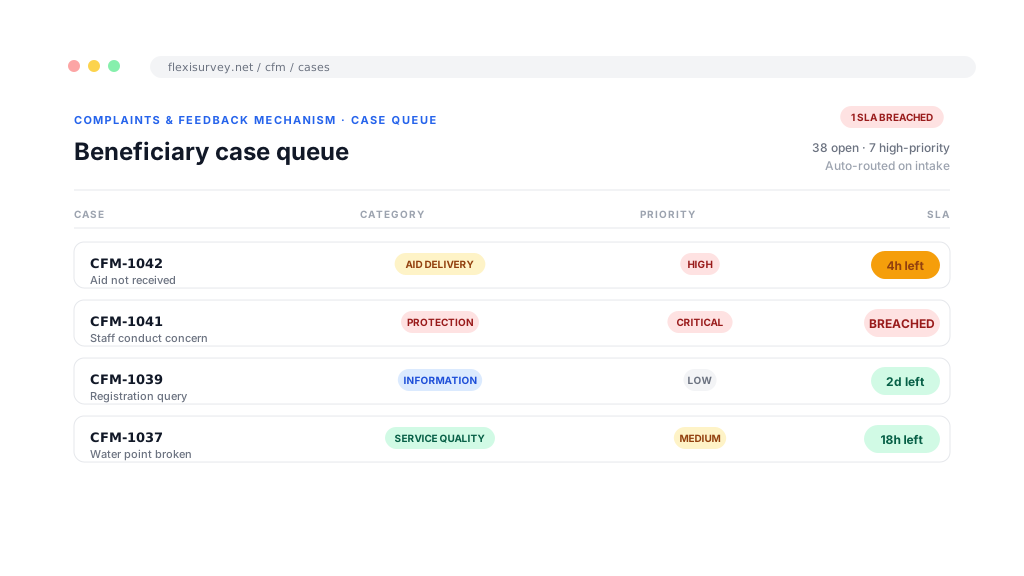
Accountability to affected populations is rarely optional. The Core Humanitarian Standard and most donor agreements expect a working feedback and complaints mechanism, with evidence that grievances are logged, handled within a deadline, resolved by someone other than the person who received them, and open to challenge. A spreadsheet and good intentions rarely survive an audit.
FlexiSurvey makes the complaints and feedback mechanism a proper system: feedback arrives through a public form or is opened as a case by staff, a classification matrix sets the right deadline, routing rules assign and escalate, and a self-updating SLA indicator keeps every deadline visible. Resolution is governed, separation of duties, verification before closure and a right of appeal, and aggregate metrics turn the queue into learning. The workflow can support an organisation's CHS or AAP-aligned procedure; using the software does not on its own create compliance. CFM is available on Organisation and Enterprise plans.
What you can do
5 pillars, each one expanded further down with bullets and a screenshot.
Intake & registry
Public intake or staff-registered cases, linked to a beneficiary record with consent and one timeline.
Classification & SLA routing
Category and priority set the deadline; rules assign, escalate and notify, with a dry run first.
Governed resolution
Independent approval, verification before closure, tracked corrective actions, and a right of appeal.
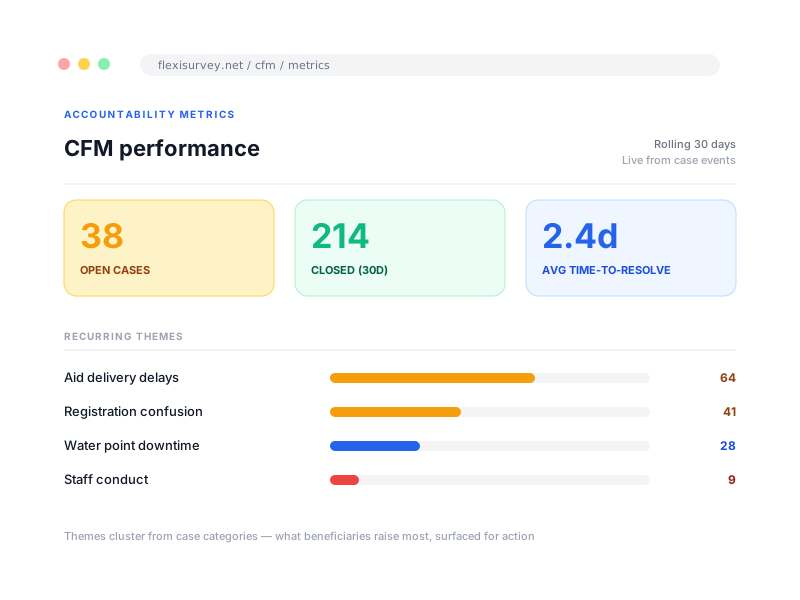
Metrics & learning
Volumes, response times, resolution status and recurring themes, under appropriate access controls.
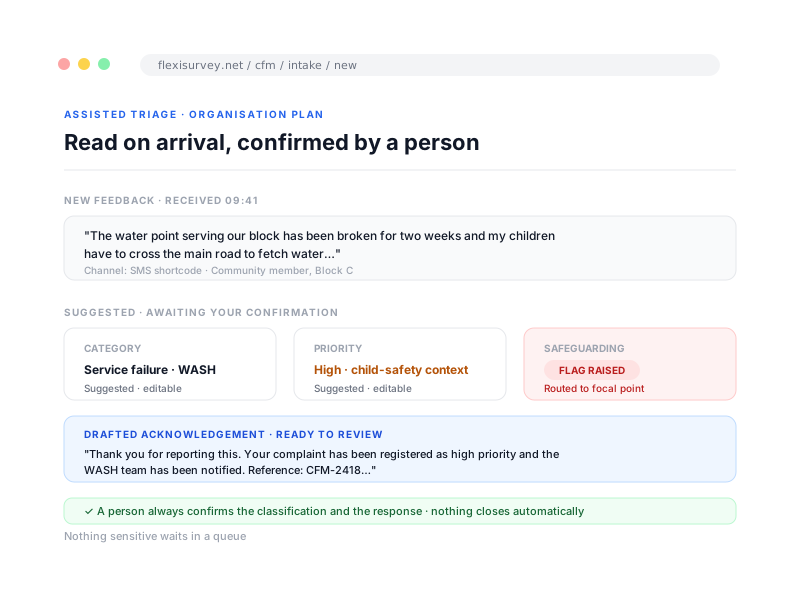
Assisted intake triage
New feedback is read on arrival and offered a suggested category, priority and drafted acknowledgement; a person always confirms.
Receive feedback through the channel available
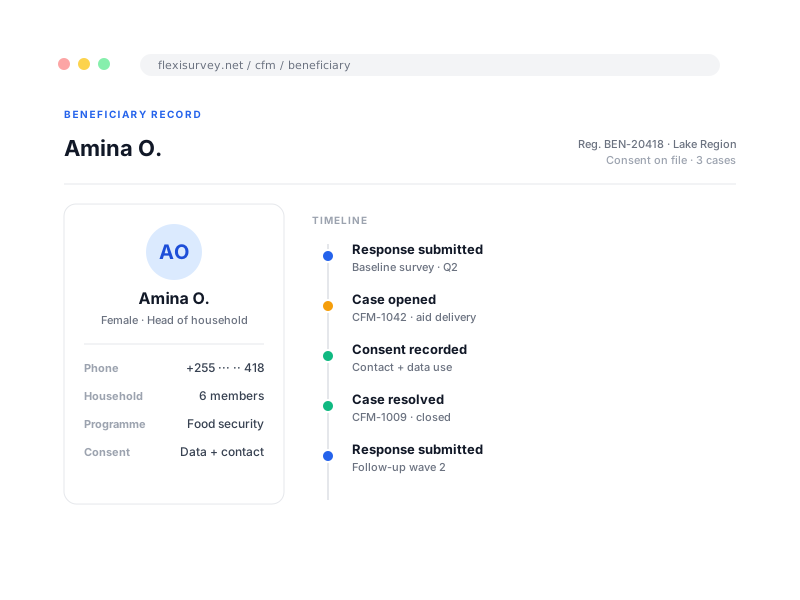
Create a public intake form, or let authorised staff register feedback received in person, by telephone, email or on paper. Link a case to a beneficiary or external reference only where appropriate and consented, with a single timeline that shows every response, case and consent event for that person, so context is never lost between staff.
- Public intake form, or staff-registered cases for phone, in-person and paper feedback
- Link a case to a beneficiary record where appropriate, with consent recorded
- One timeline per person, with responses, cases and consent history together
- Attach evidence with consent captured, shared through expiring signed links
Apply consistent classification and response times
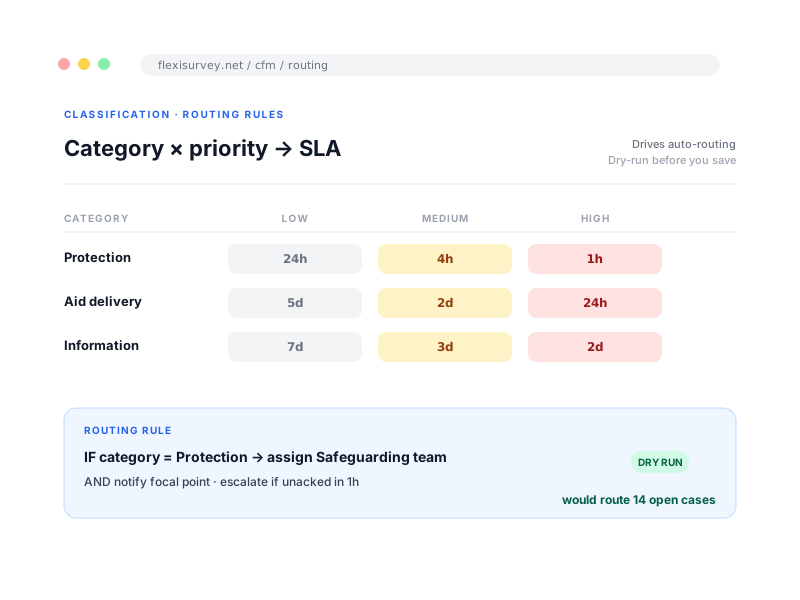
Map category, sensitivity and priority to the correct handling route and service deadline, so a safeguarding complaint and a request for information do not share a clock. Routing rules assign to the right team, escalate as a deadline approaches and notify the people who need to act, and you can dry-run any rule over recent cases before activating it.
- Classification matrix
- Routing and escalation rules
- Deadline warnings and breach status
- Dry-run testing before a rule is activated
Control resolution and closure
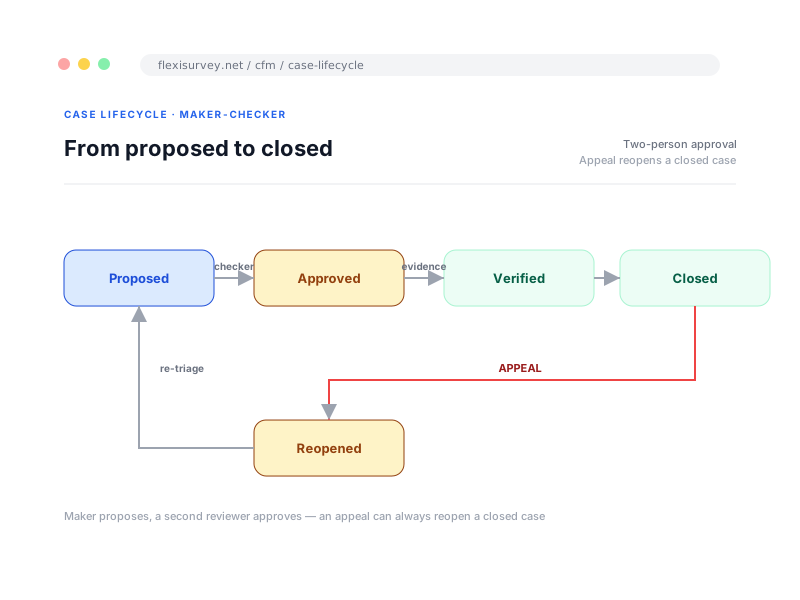
Separate case work, approval and verification where the operating procedure requires it. A caseworker proposes an outcome and a separate approver accepts or rejects it, a verifier confirms the corrective action genuinely happened before closure, and a beneficiary can lodge a formal appeal that reopens a closed case for fresh investigation.
- Proposed resolution and independent approval
- Corrective actions with owners and due dates
- Verification before closure
- Appeal or reconsideration workflow
Learn without exposing individual cases
Report volumes, categories, response times, resolution status and recurring themes using appropriate access and aggregation controls, so feedback drives programme change rather than only case closure. A grounded narrative can draft the plain-language summary for a report from the actual figures, never invented, as an Enterprise option.
- Volumes, resolution rates and average time to resolve
- Recurring themes across cases, under aggregation controls
- A grounded accountability narrative drafted from the real numbers (Enterprise)
- Export the case queue for an auditor, evaluator or donor
Nothing sensitive waits in a queue
New complaints and feedback are read on arrival and offered a suggested category, priority and a drafted acknowledgement, with a safeguarding flag raised for sensitive cases, so nothing sensitive waits in a queue. A person always confirms the classification and the response. Available on Organisation and above.
- Suggested category and priority on arrival
- Safeguarding flag raised for sensitive cases
- A drafted acknowledgement, ready to review
- A person always confirms; nothing closes automatically
How it works
The typical flow from setup to output.
Receive
Feedback arrives through a public intake form or is opened as a case, then linked to a beneficiary record with consent.
Classify and route
Category and priority set the deadline, and routing rules assign, escalate and notify the right team.
Resolve and verify
A caseworker proposes the outcome, an approver signs off, and a verifier confirms the action before closure.
Learn and report
Metrics, recurring themes and a grounded narrative feed the accountability section of your report.
Plays well with
Adjacent capabilities and solution pages you might want to read next.
Accountability is the A in MEAL, sitting beside your results framework and donor reporting.
Close-the-loop routing can also trigger from survey responses, not only complaints.
The full humanitarian programme view, from offline collection to donor reporting.
Review a sample CFM workflow
We will walk you through intake, classification and SLA routing, governed resolution with appeal, and the learning metrics, on a realistic case.
Talk to our team